JOYINRUTE Rooftop Tent Hard Shell
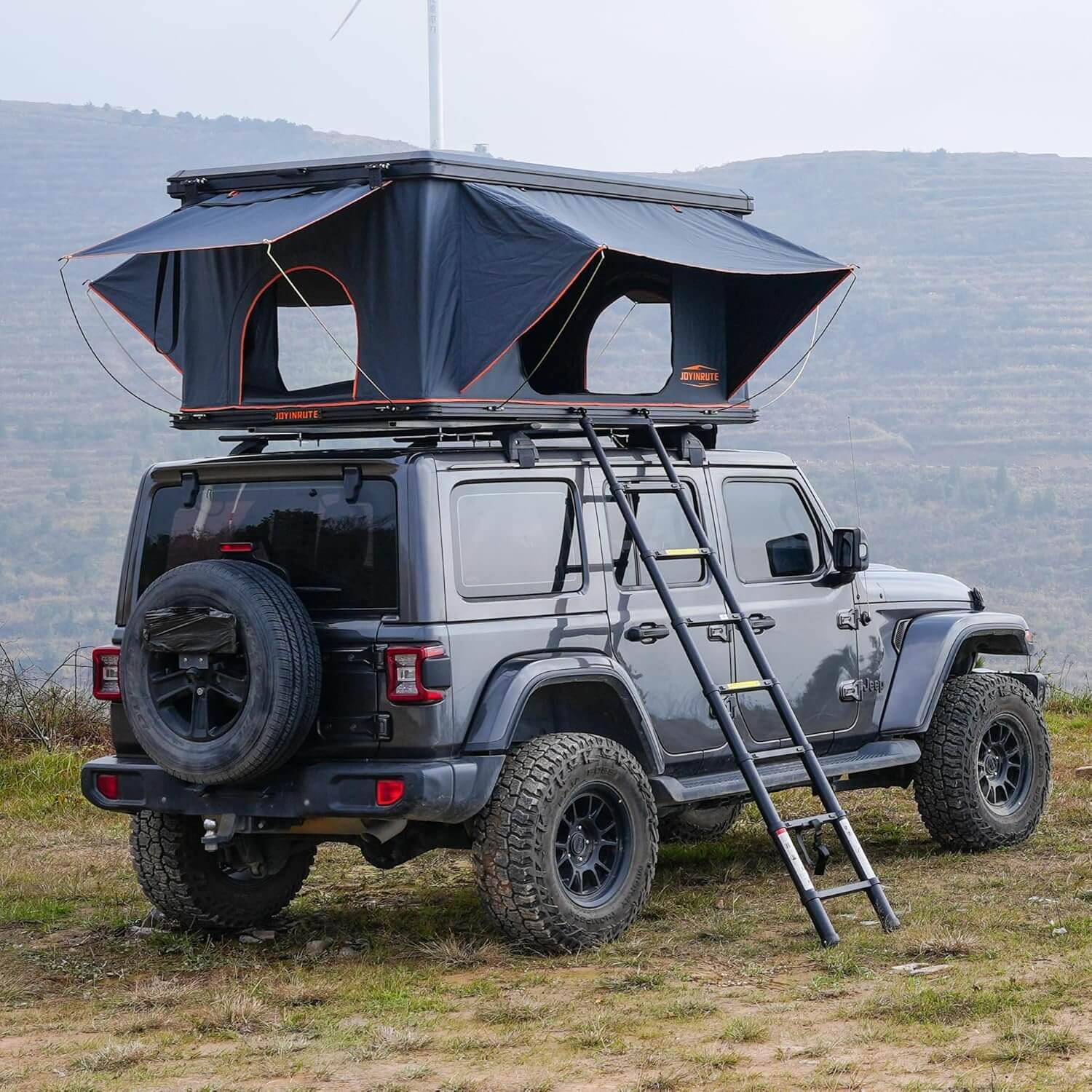
The JOYINRUTE rooftop tent hard shell is a vehicle-mounted camping tent designed for SUVs, trucks, vans, and off-road vehicles equipped with roof crossbars. A JOYINRUTE rooftop tent uses a hard aluminum shell and hydraulic pop-up system that allows the tent structure to open and close in a short setup sequence while remaining mounted on the vehicle during travel.
This JOYINRUTE rooftop tent is intended for vehicle-based camping and overlanding trips where an elevated sleeping platform can provide a compact and organized overnight setup. People researching a JOYINRUTE rooftop tent review typically focus on setup speed, materials, weather resistance, and compatibility with common adventure vehicles.
💲 Current pricing and availability updated on Amazon
✅ Verified product listings
📦 Standard Amazon checkout and return policies
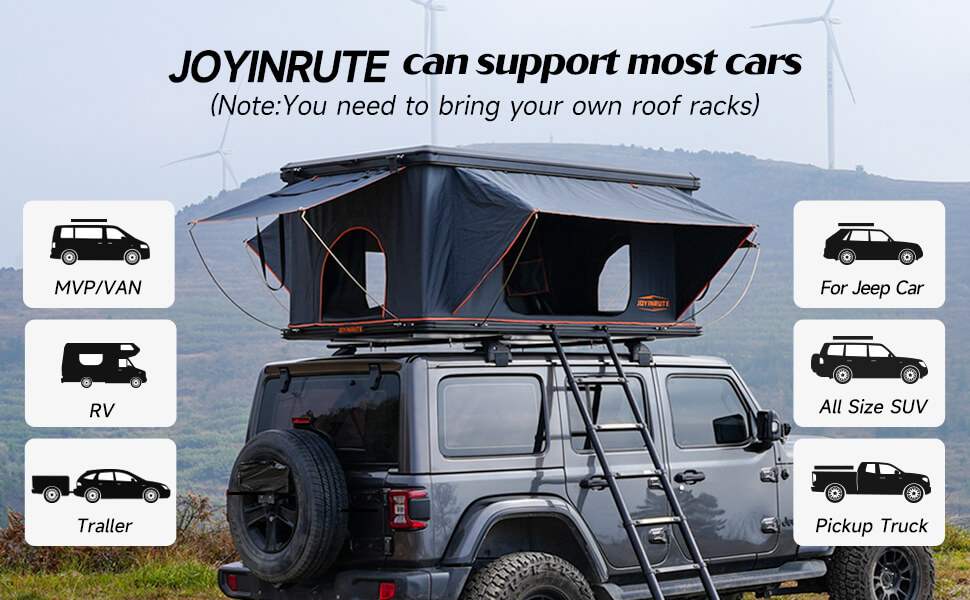
Suitable For Most Different Models:
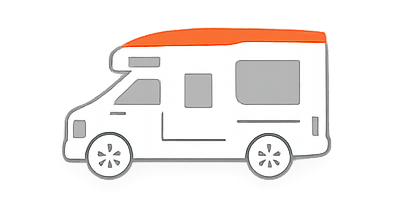
RV
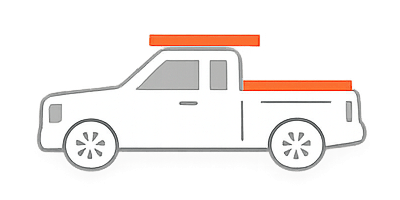
TRUCK
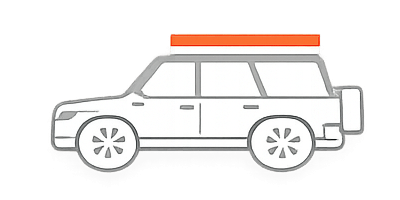
Trailer
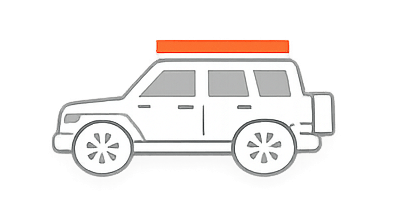
JEEP
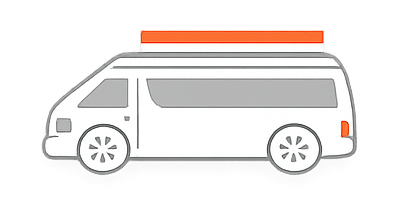
MPV/VAN
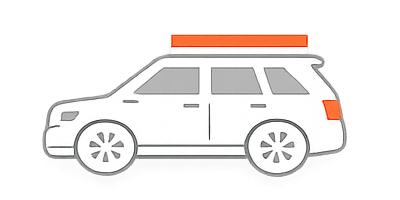
SUV
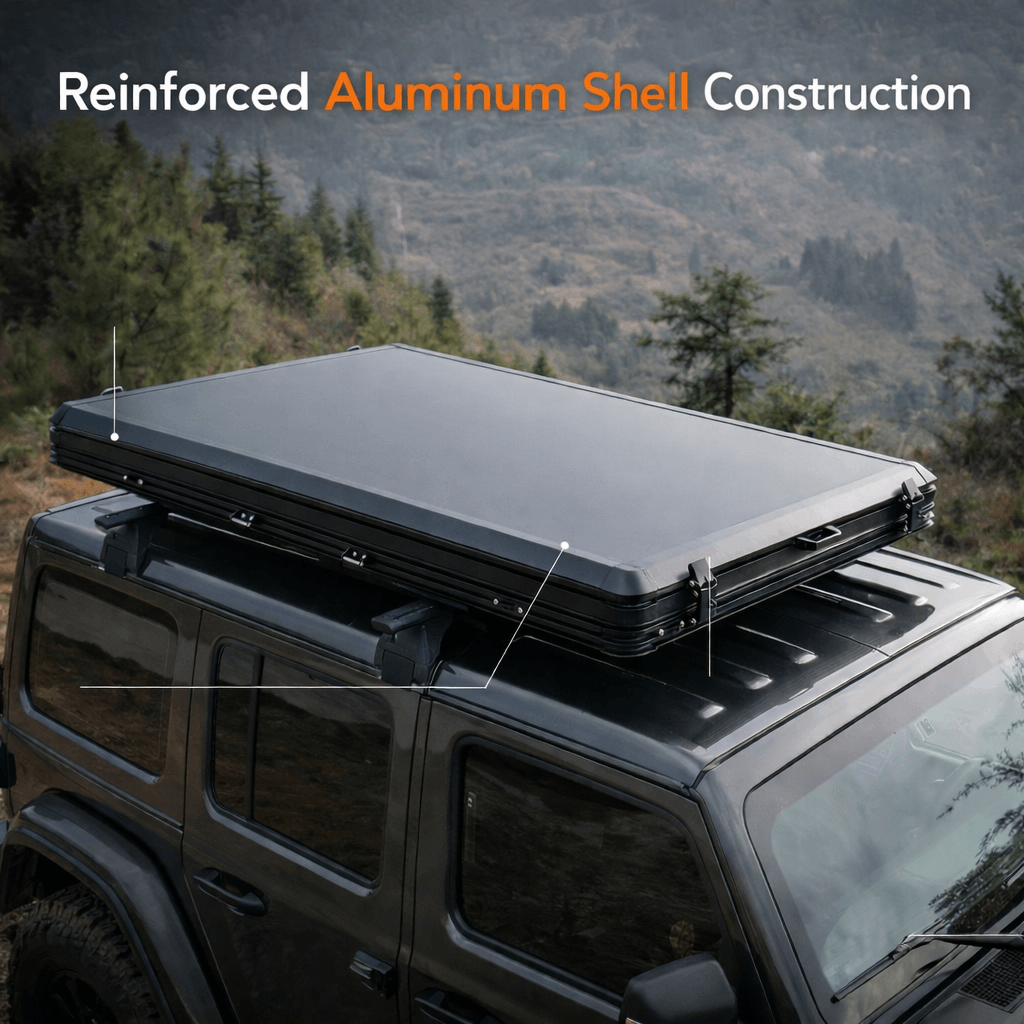
Reinforced Aluminum Shell Construction
The rooftop tent uses an aluminum shell and frame structure designed to support stability during transport and provide structural protection while mounted on a vehicle roof.
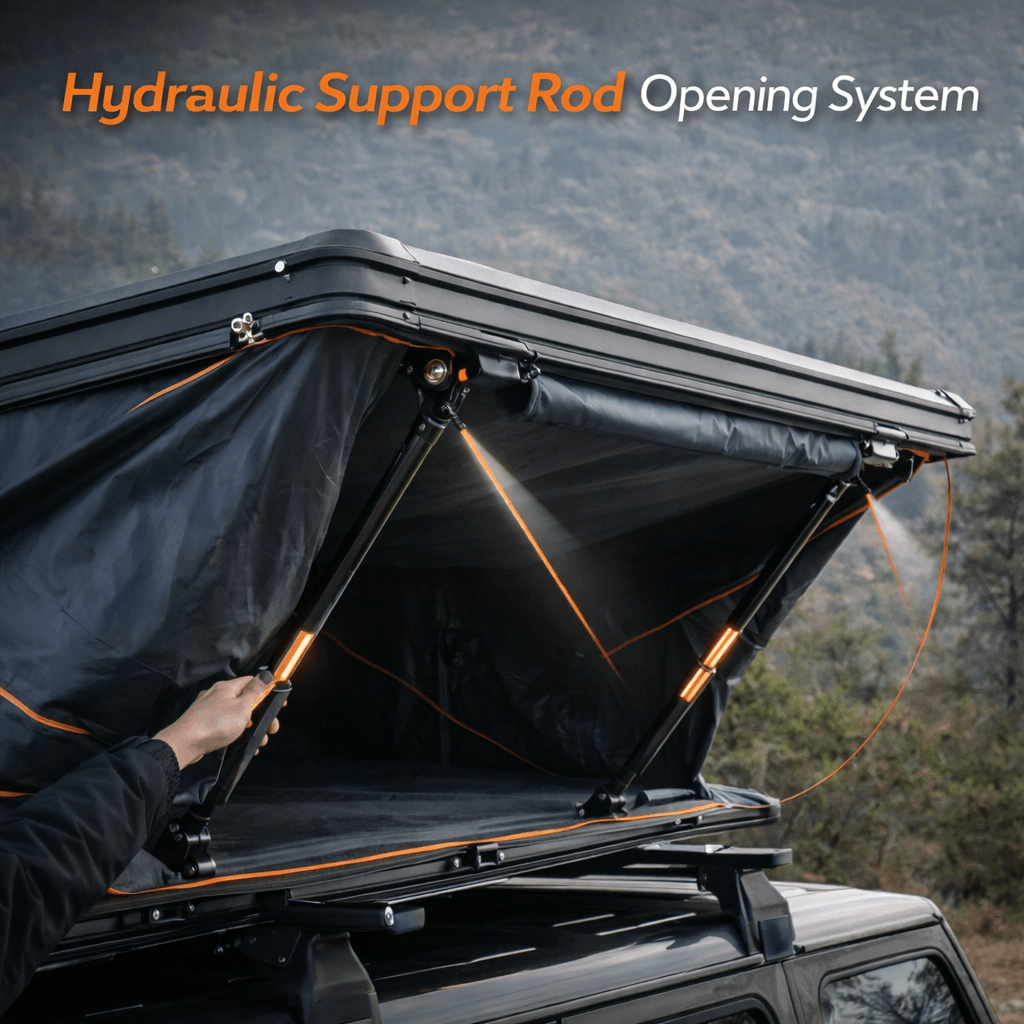
Hydraulic Support Rod Opening System
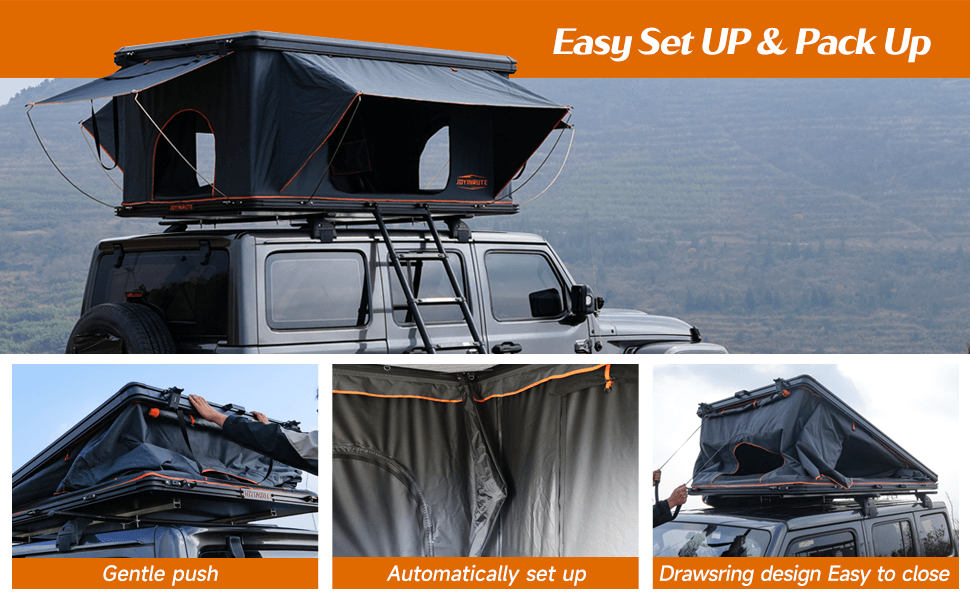
Four hydraulic support rods are integrated into the opening mechanism to assist with controlled lifting and closing during routine setup and packing.
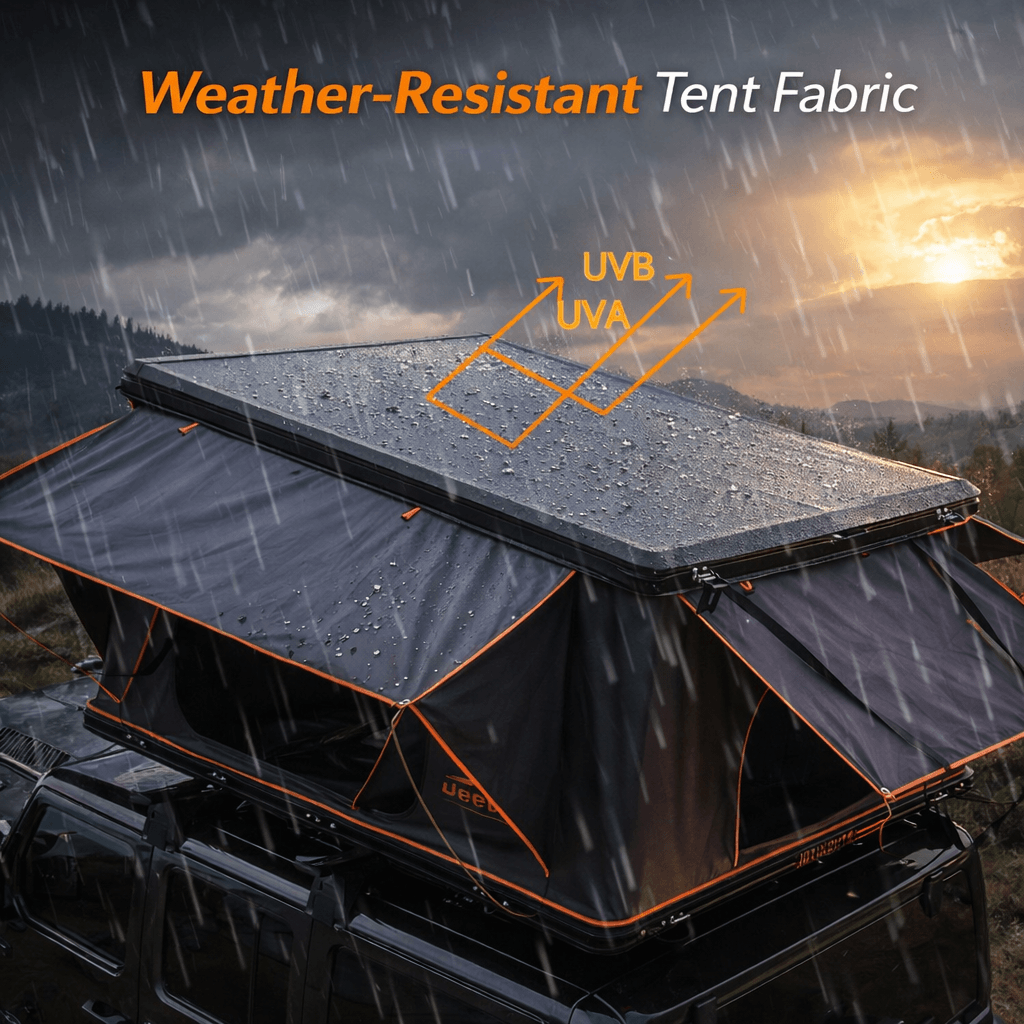
Weather-Resistant Tent Fabric
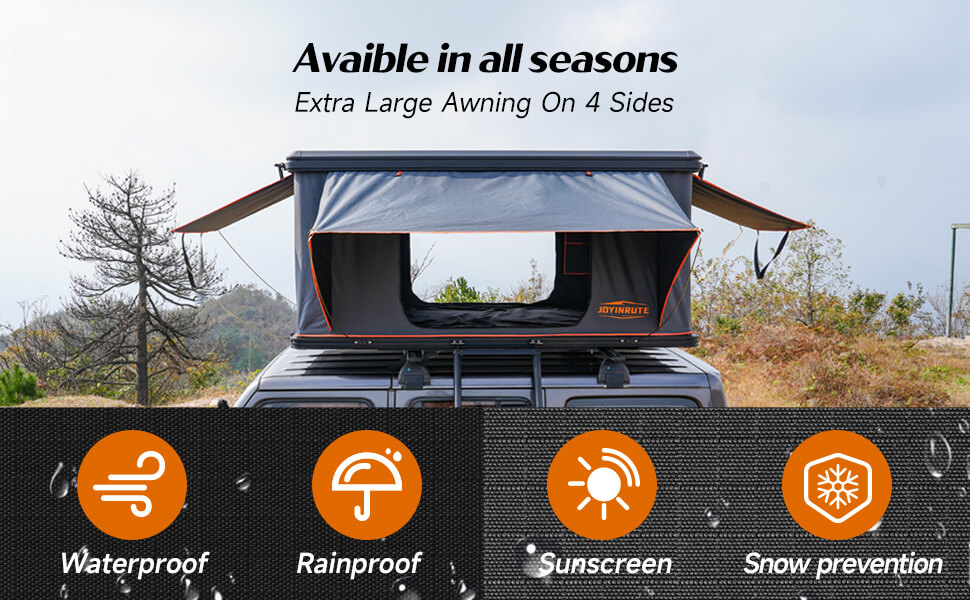
The tent canopy is constructed from coated polyester fabric with a stated waterproof rating and UV protection, intended to help manage exposure to rain, sun, and varying outdoor conditions.
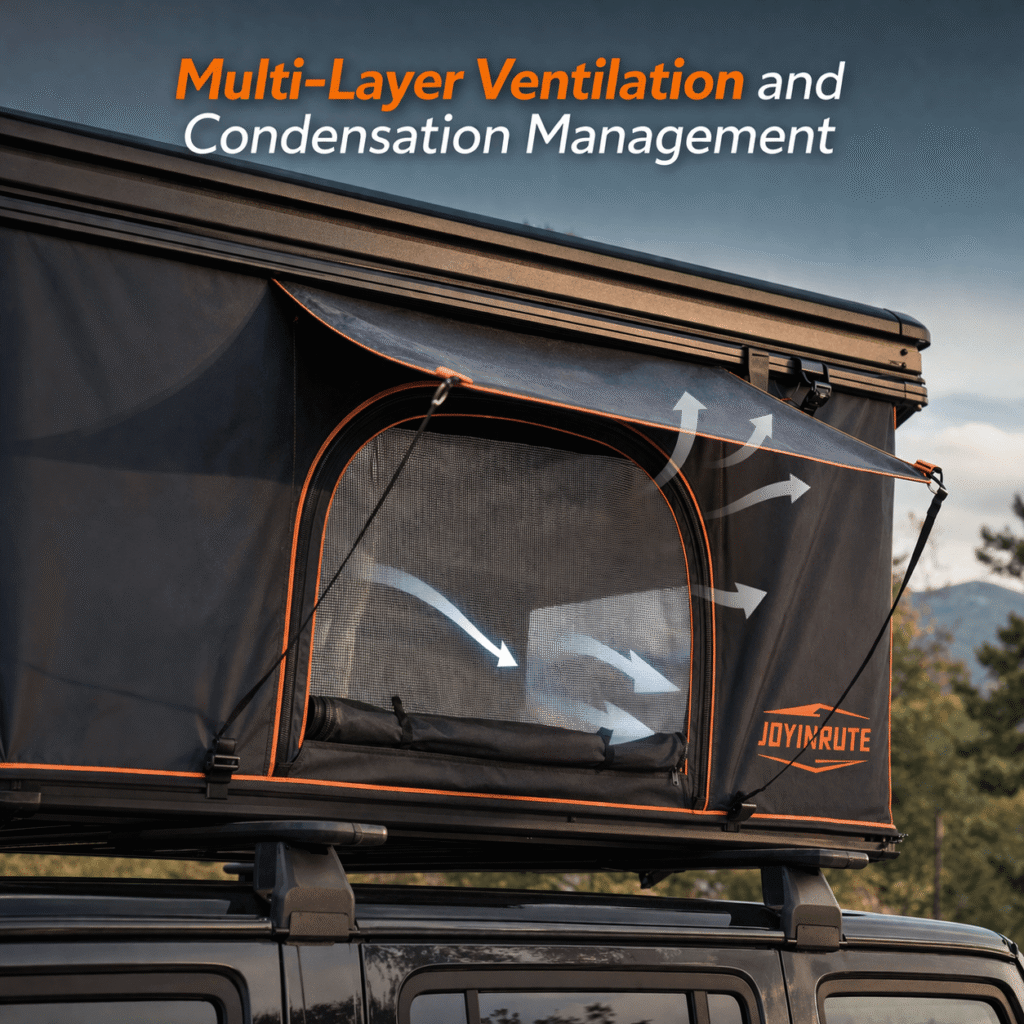
Multi-Layer Ventilation and Condensation Management
Window panels incorporate mesh layers and protective outer flaps that allow airflow while limiting direct wind entry, supporting ventilation during overnight vehicle-based camping use.
JOYINRUTE Rooftop Tent Hard Shell — Trust & Safety Snapshot
Rooftop tents mount directly to a vehicle roof rack system, so structural design and installation compatibility are important considerations during travel and overnight camping use. The following aspects relate to the construction and operational characteristics of the JOYINRUTE rooftop tent hard shell platform.
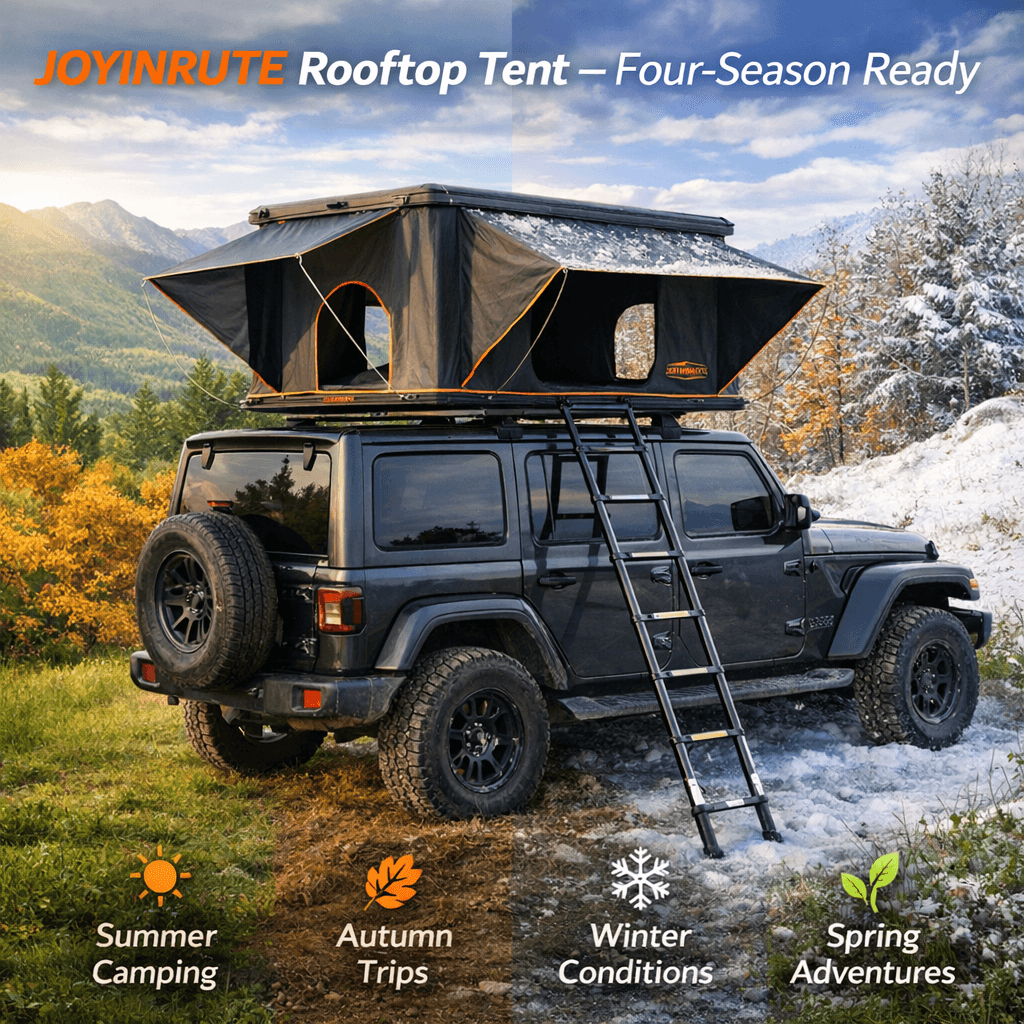
Four-Season Use Configuration
The tent design includes features such as removable insulation and weather-resistant fabric that allow the shelter to be used across different seasonal conditions, including warmer and colder outdoor environments.
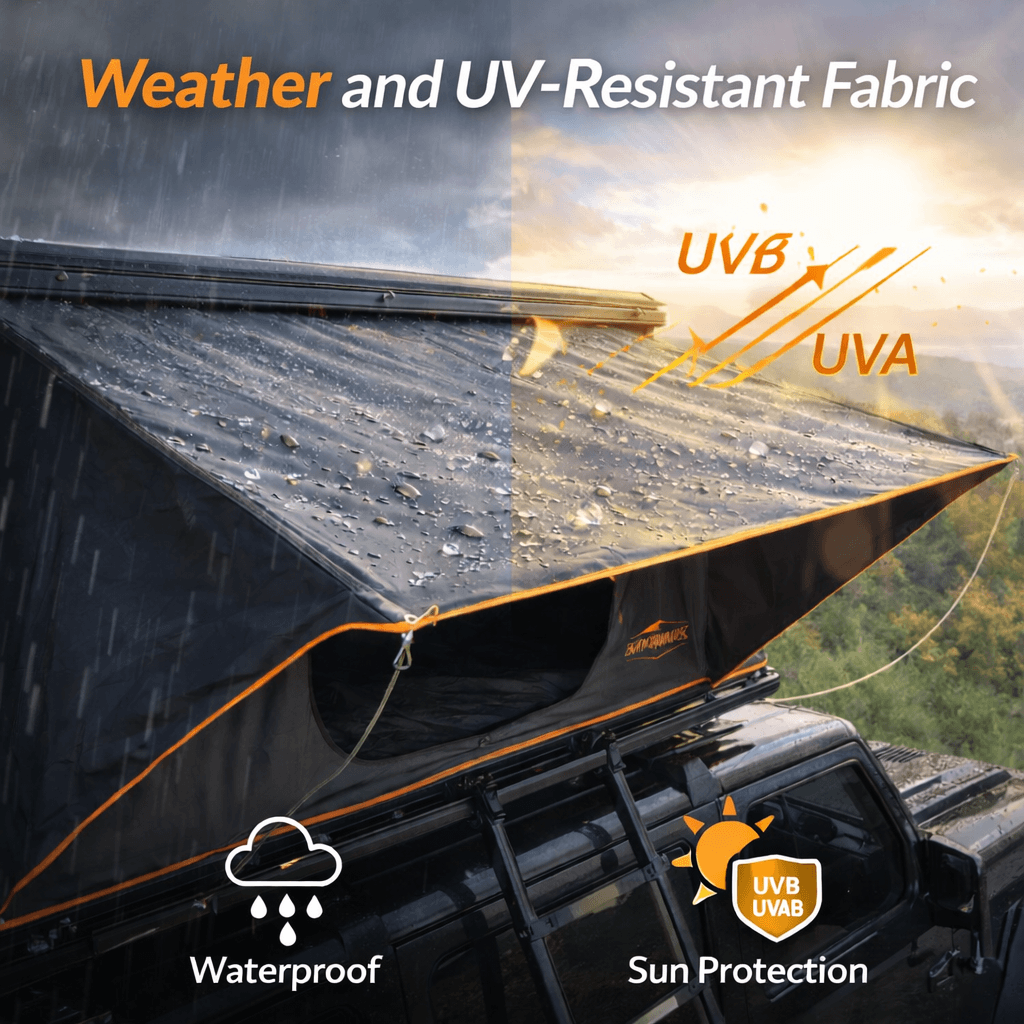
Weather and UV-Resistant Fabric
The tent canopy uses coated polyester fabric with a stated waterproof rating and UV-blocking properties intended to help manage rain exposure and prolonged sunlight during outdoor camping use.
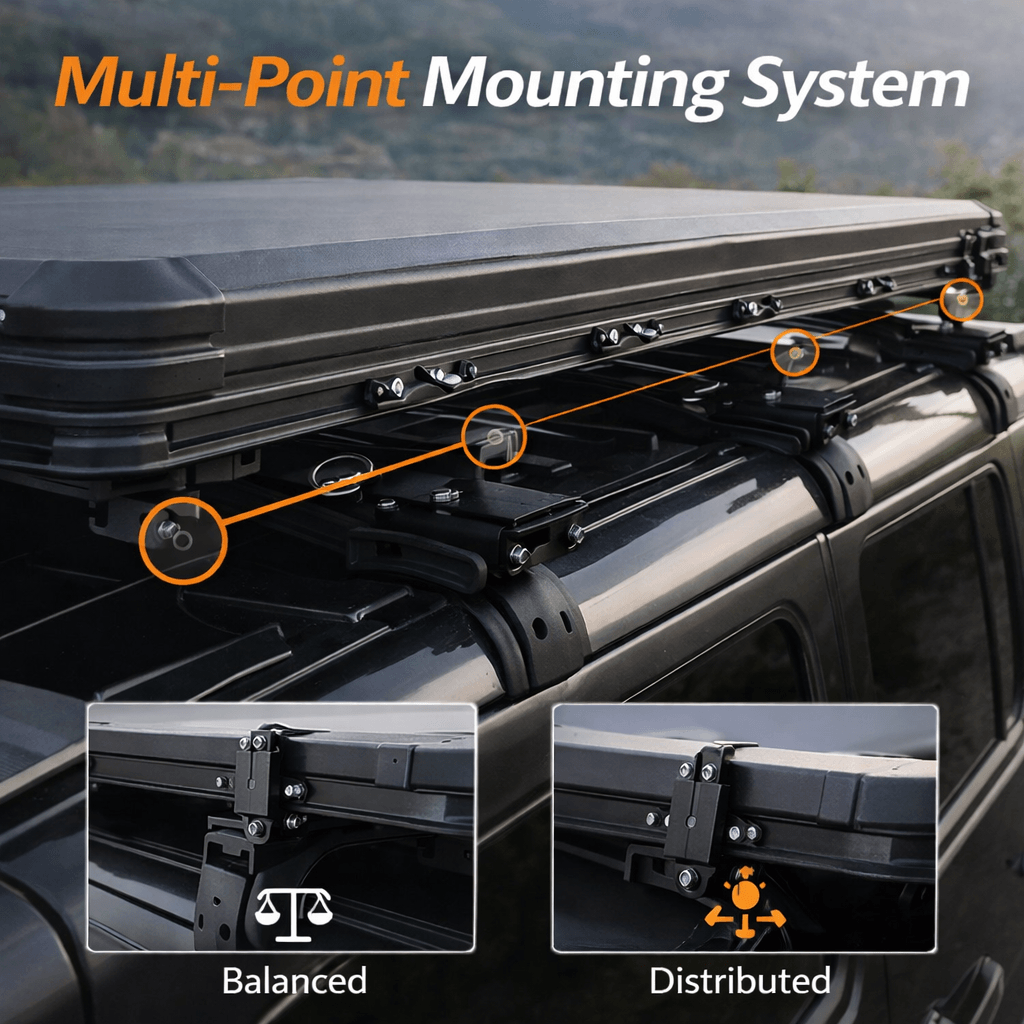
Multi-Point Mounting System
Multiple mounting brackets distribute the tent’s weight across the roof rack structure, helping maintain balanced load placement during vehicle movement and stationary use.
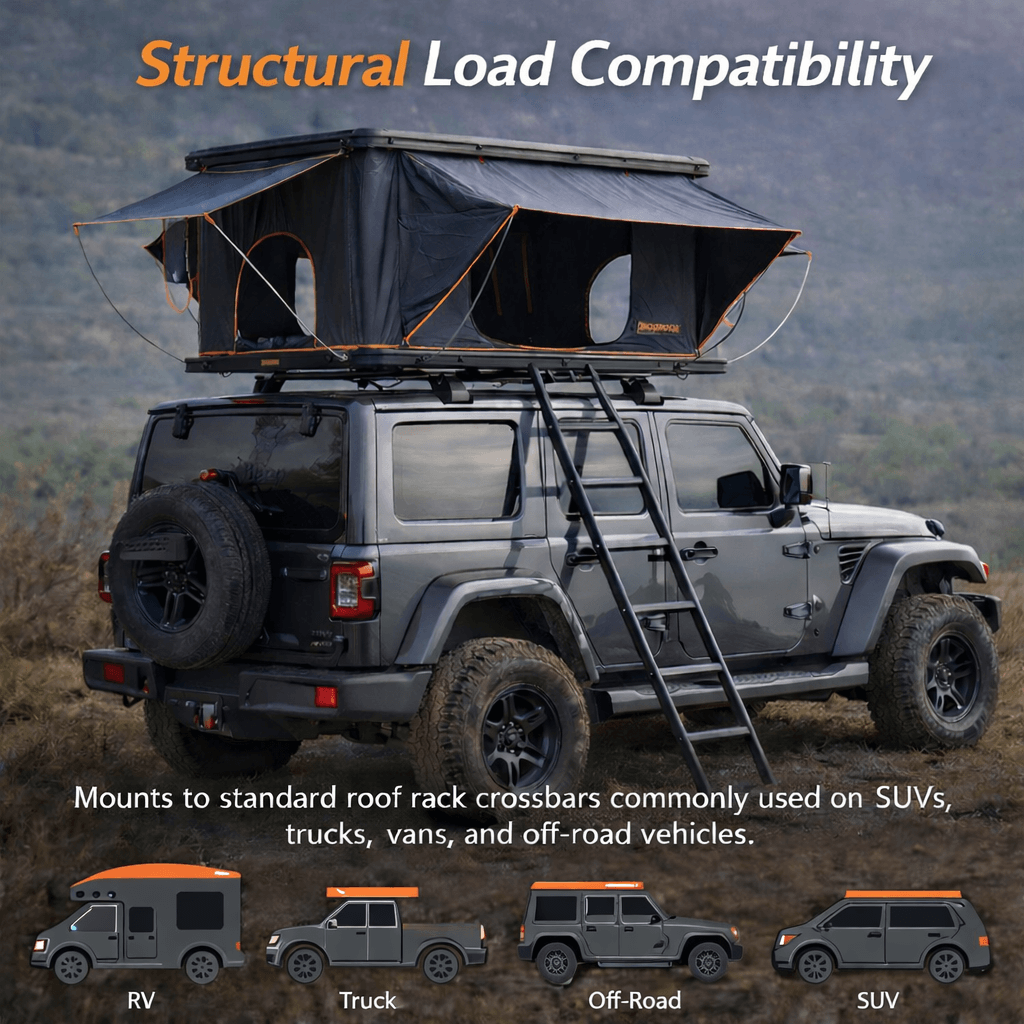
Structural Load Compatibility
The tent platform is designed to mount to standard roof rack crossbars commonly used on SUVs, trucks, vans, and off-road vehicles, supporting typical static load requirements for rooftop camping setups.
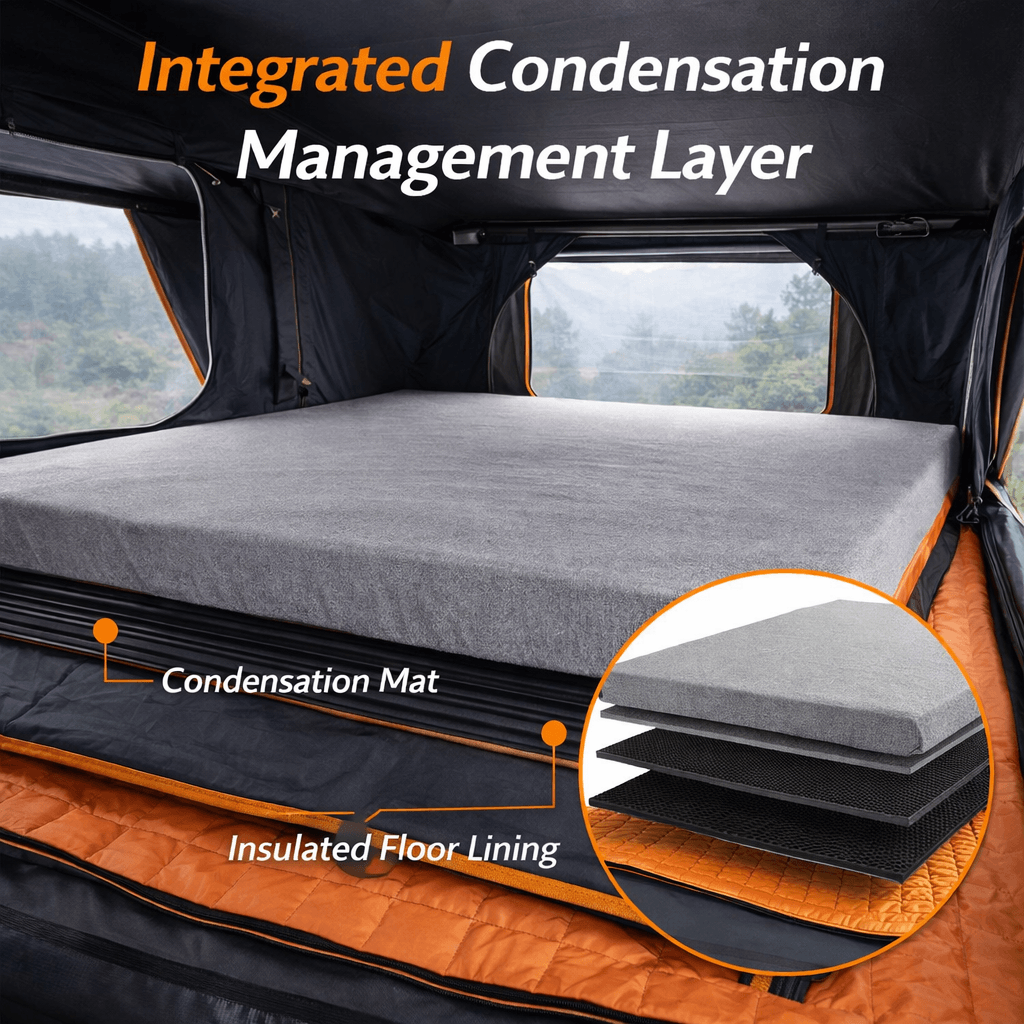
Integrated Condensation Management Layer
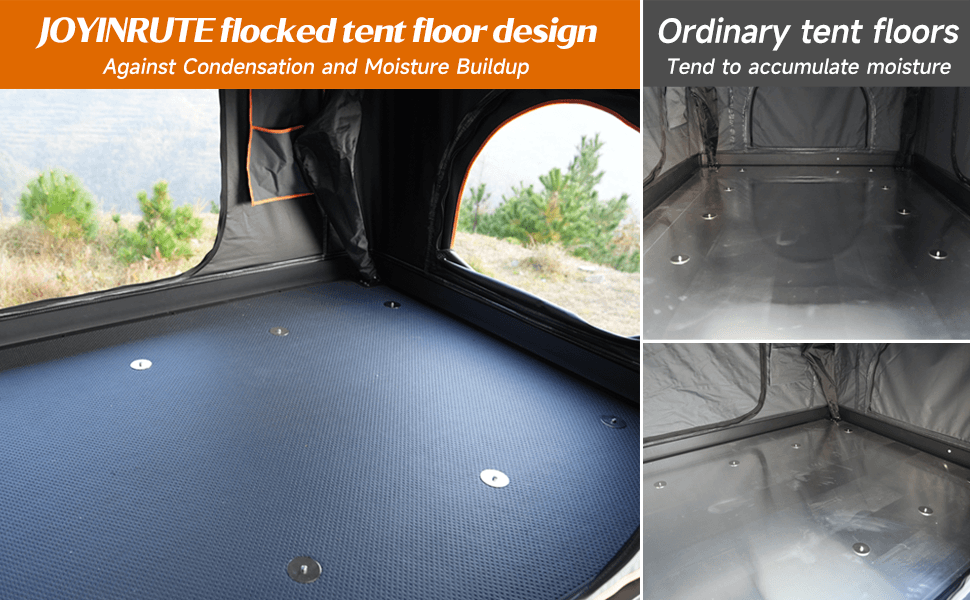
A condensation mat and insulated floor lining are positioned beneath the mattress area to help manage moisture buildup that can occur inside enclosed rooftop sleeping environments.
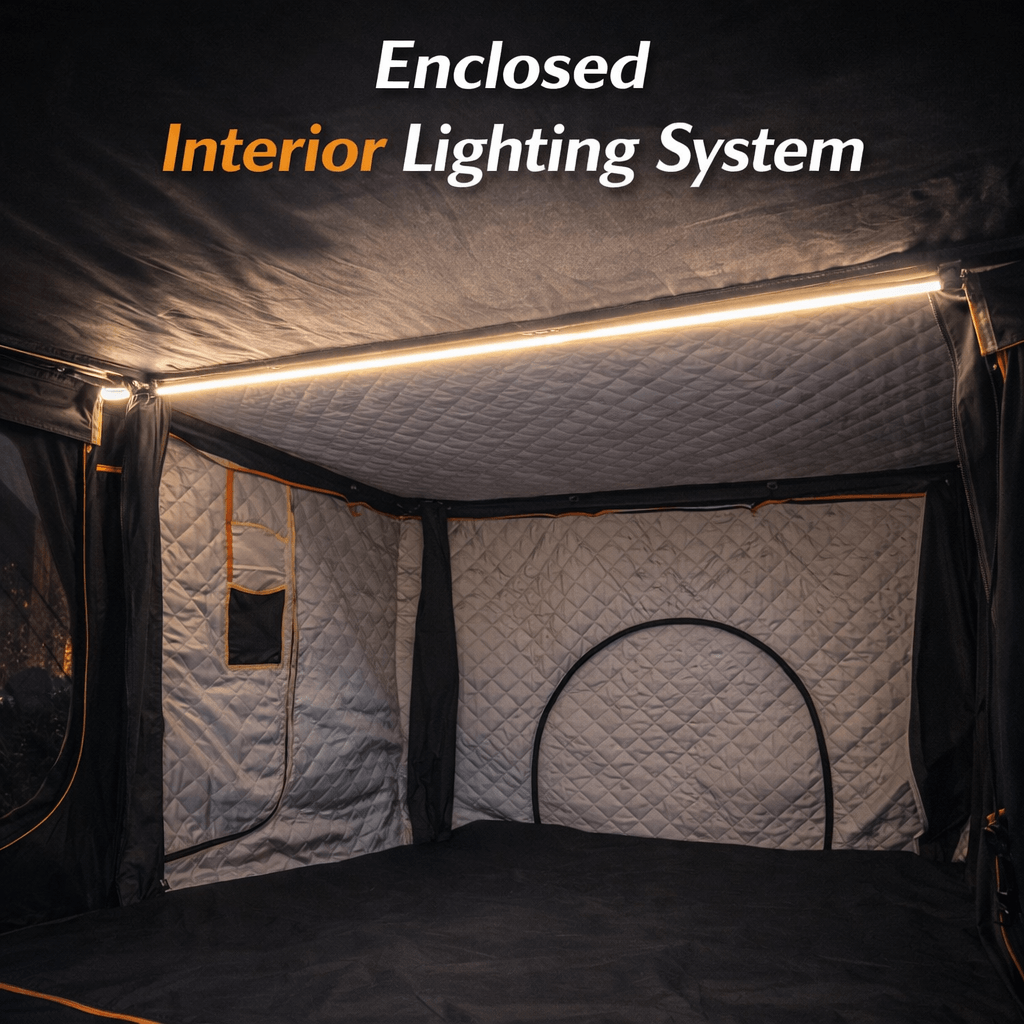
Enclosed Interior Lighting System
An integrated LED light strip provides interior illumination within the tent structure, supporting visibility during nighttime setup or overnight use in vehicle-based camping situations.
JOYINRUTE Rooftop Tent — Product Lineup
The JOYINRUTE rooftop tent lineup centers on an aluminum hard-shell design intended for vehicle-based camping setups such as SUVs, trucks, vans, and off-road vehicles. The model listed below represents the primary configuration currently available through Amazon listings and is designed to support multi-season vehicle camping with a compact pop-up structure and integrated sleeping platform.
JOYINRUTE Rooftop Tent Hard Shell — Aluminum Pop-Up 2–3 Person
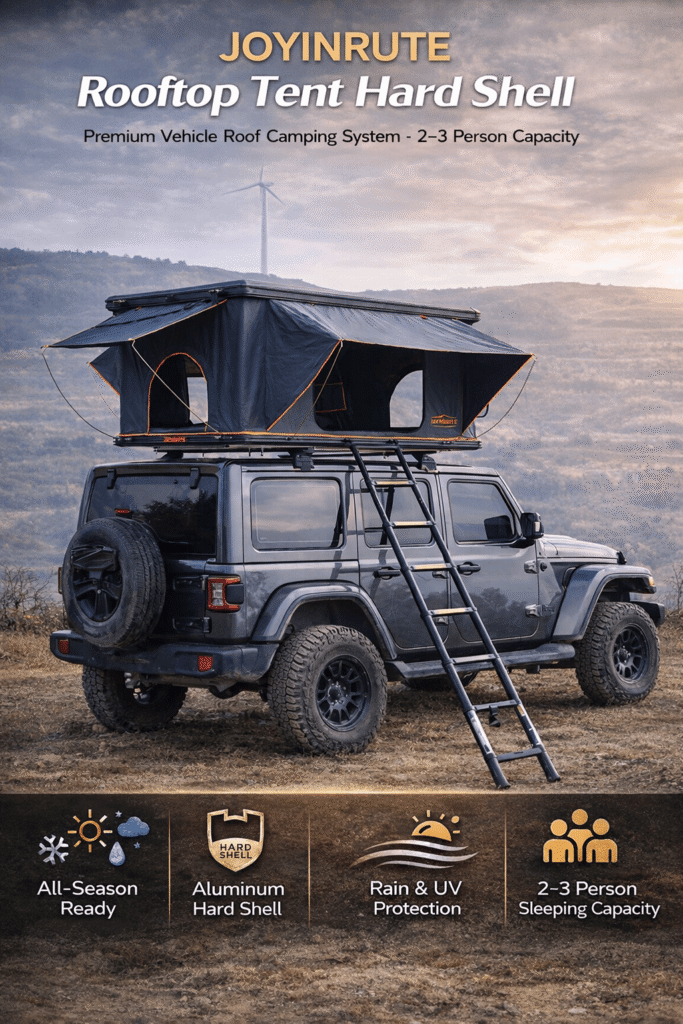
This rooftop tent is designed as a hard-shell vehicle-mounted shelter intended for two to three occupants during car-camping or overlanding trips. The aluminum shell structure and hydraulic support rods allow the tent to open and close through a pop-up mechanism that typically takes under a minute once the vehicle is parked. The configuration focuses on compact storage during travel and expanded sleeping space when deployed.
The tent canopy uses coated polyester fabric with blackout treatment, designed to help reduce interior light exposure and support weather resistance during outdoor use. Multiple window panels incorporate mesh layers and protective outer flaps intended to allow airflow while limiting wind or insect entry.
Key specifications and features
• Capacity: 2–3 person sleeping area
• Shell material: Aircraft-grade aluminum shell and frame
• Opening system: Hydraulic support rod pop-up structure
• Fabric: 320G polyester with blackout coating
• Waterproof rating: approximately 5000 mm water resistance
• UV protection: blackout fabric with sun-exposure resistance
• Ventilation: multi-window mesh airflow design
• Insulation: removable thermal liner for cold-weather use
• Floor: anti-condensation lining layer
• Included accessories: telescoping ladder, mattress, condensation pad, LED strip, storage bags, shoe organizers
Vehicle compatibility:
RV
TRUCK
JEEP / SUV / Trailer
MPV/VAN
JOYINRUTE Rooftop Tent Hard Shell — Specifications and Technical Overview
The JOYINRUTE rooftop tent hard shell is a vehicle-mounted camping shelter designed for SUV, truck, and overlanding setups. This configuration combines an aluminum shell enclosure with a fabric tent body and hydraulic opening system intended to simplify deployment during vehicle-based camping trips.
The overview below summarizes the JOYINRUTE rooftop tent specifications, including materials, structural design, environmental protection ratings, and included accessories. The goal is to help readers review the technical configuration of the JOYINRUTE rooftop tent hard shell and verify details before checking the full listing on Amazon.
Quick Specifications — JOYINRUTE Rooftop Tent
| Key Specification | Details |
|---|---|
| Product | JOYINRUTE Rooftop Tent Hard Shell |
| Sleeping Capacity | 2–3 Persons |
| Shell Construction | Aluminum alloy shell and frame |
| Tent Fabric | 320G polyester with blackout coating |
| Waterproof Rating | 5000 mm hydrostatic rating |
| Opening System | Hydraulic support rod system |
| Estimated Setup Time | ~30 seconds (manufacturer listing) |
| Vehicle Compatibility | Jeep, SUV, truck, and van roof rack systems |
Hard Shell Rooftop Tent Configuration — Context Overview
For readers researching JOYINRUTE rooftop tent review information, it is often useful to understand how hard shell rooftop tents differ from traditional soft shell rooftop tent structures.
| Feature Category | Typical Soft Shell Rooftop Tent | JOYINRUTE Hard Shell Rooftop Tent |
|---|---|---|
| External Structure | Fabric cover with folding platform | Aluminum hard shell enclosure |
| Deployment Process | Manual unfolding with support poles | Hydraulic assisted opening system |
| Setup Time | Several minutes | ~30 seconds (manufacturer listing) |
| Weather Protection | Fabric exposed during travel | Protective aluminum shell when closed |
| Storage Profile | Thicker folded structure | Low-profile roof shell design |
This structure overview provides general context for the JOYINRUTE rooftop tent hard shell design and how it fits within common rooftop tent configurations used for vehicle camping
JOYINRUTE Rooftop Tent Specification Comparison Table
The table below summarizes the primary technical specifications currently listed for the JOYINRUTE rooftop tent. The structure is designed to allow quick comparison of key configuration elements such as shell construction, waterproof rating, ventilation layout, and vehicle compatibility.
| Specification | JOYINRUTE Hard Shell Rooftop Tent |
|---|---|
| Product Category | Hard Shell Rooftop Tent |
| Sleeping Capacity | 2–3 Persons |
| Shell Material | Aluminum alloy shell |
| Frame Construction | Aluminum frame with reinforced corners |
| Opening Mechanism | Hydraulic support rod system |
| Estimated Setup Time | ~30 seconds (manufacturer listing) |
| Tent Fabric | 320G polyester with blackout coating |
| Waterproof Rating | 5000 mm hydrostatic rating |
| UV Protection | Up to 99% UV protection |
| Wind Resistance | Grade 6 wind rating |
| Ventilation System | Multi-window ventilation with mesh layers |
| Insulation System | Removable thermal liner |
| Floor Design | Anti-condensation flocked floor layer |
| Mattress | Included |
| Ladder | 7.5 ft telescoping ladder |
| Accessories Included | Storage bags, LED strip light, shoe organizers |
| Vehicle Compatibility | Jeep, SUV, truck, and van roof rack systems |
| Mounting Type | Universal roof crossbar mounting system |
| Amazon Listing | Available on Amazon |
Specifications are based on manufacturer listings and may vary.
Verify Specifications and Availability
Product configuration details, availability, and accessory bundles may vary depending on the Amazon listing and inventory updates. Reviewing the retailer page provides the most current information about specifications and compatibility.
Which Option Fits Your Use Case?
The JOYINRUTE rooftop tent hard shell platform is designed for several types of vehicle-based camping situations, including weekend road trips, multi-day overland travel, and four-season outdoor use. Different configurations and accessories may suit different travel styles, vehicle setups, and seasonal conditions.
The scenarios below outline common vehicle-based camping situations and help identify which JOYINRUTE rooftop tent configuration may align with typical usage patterns and equipment needs. The guidance is based on product specifications and general rooftop tent use considerations.

Weekend Road Trips and Short Camping Stops
For travelers planning short weekend trips, the primary considerations are typically fast setup and simple packing. The JOYINRUTE rooftop tent hard shell uses a hydraulic pop-up system designed to deploy the tent structure in approximately 30 seconds, allowing users to set up a sleeping area soon after arriving at a campsite.
This type of configuration is commonly used for overnight stops, national park visits, and short outdoor trips where minimal setup time is preferred.
Recommended option based on this scenario:
JOYINRUTE Rooftop Tent Hard Shell (2–3 Person Aluminum Pop-Up)
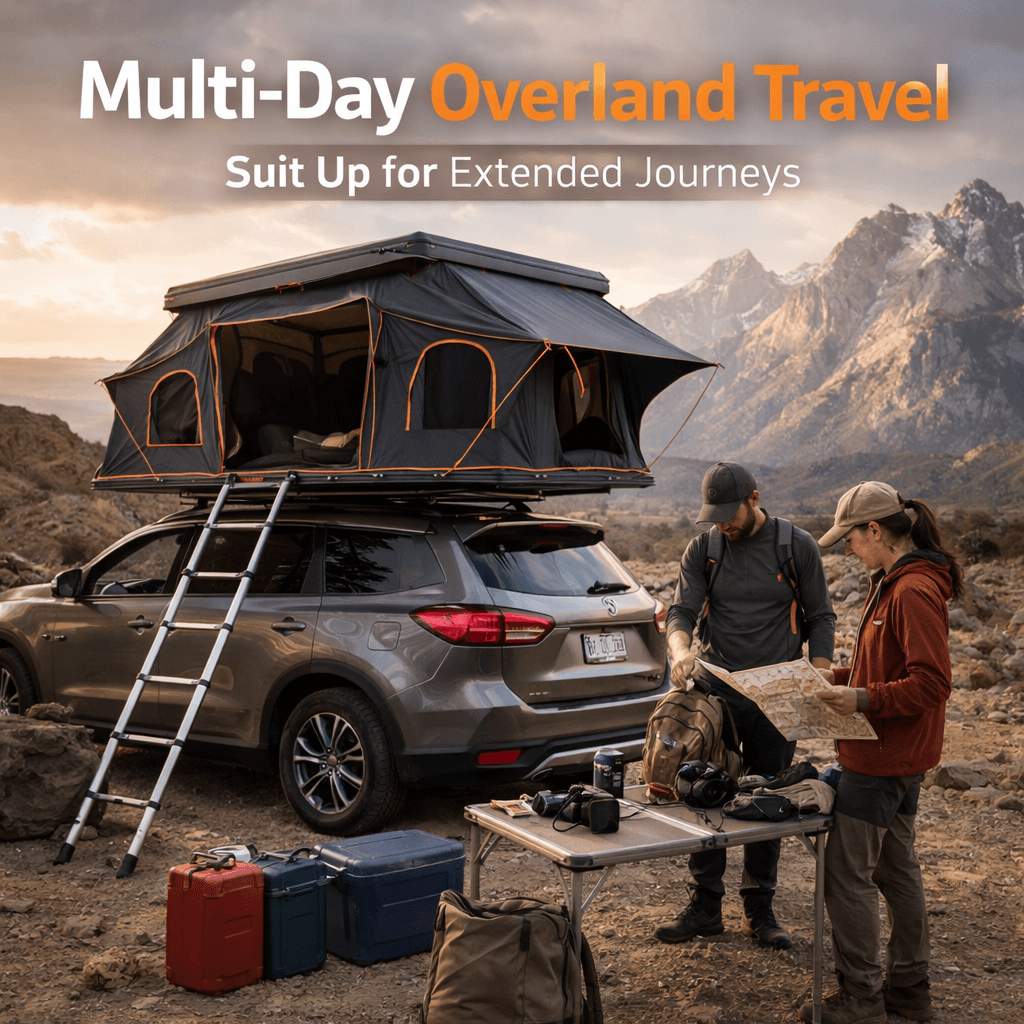
Multi-Day Overland Travel
Longer vehicle-based trips often involve repeated setup and packing across different campsites. In these situations, durability of the shell structure and frame construction can become an important factor.
The JOYINRUTE rooftop tent uses an aluminum shell and frame structure intended to maintain stability during repeated travel cycles and exposure to varying outdoor environments such as desert terrain, mountain climates, or coastal road trips.
Recommended option based on this scenario:
JOYINRUTE Aluminum Hard Shell Rooftop Tent with Multi-Window Ventilation
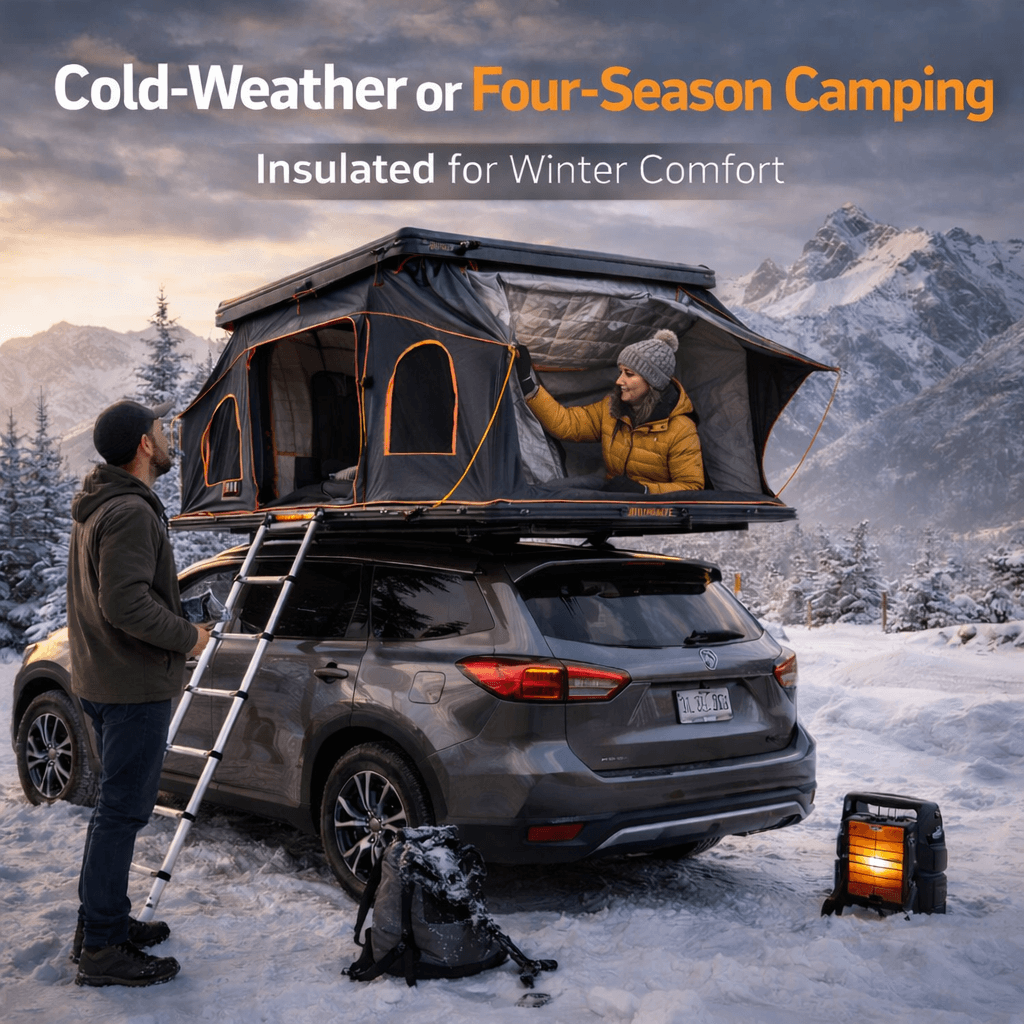
Cold-Weather or Four-Season Camping
Camping in colder regions or higher elevations introduces additional considerations such as insulation and condensation management. Some JOYINRUTE rooftop tent configurations include a removable thermal liner designed to add an extra insulation layer inside the sleeping space.
While this does not replace external heating equipment, the liner may help moderate interior conditions during overnight camping in cooler environments.
Recommended option based on this scenario:
JOYINRUTE Rooftop Tent Hard Shell with Removable Thermal Insulation Liner
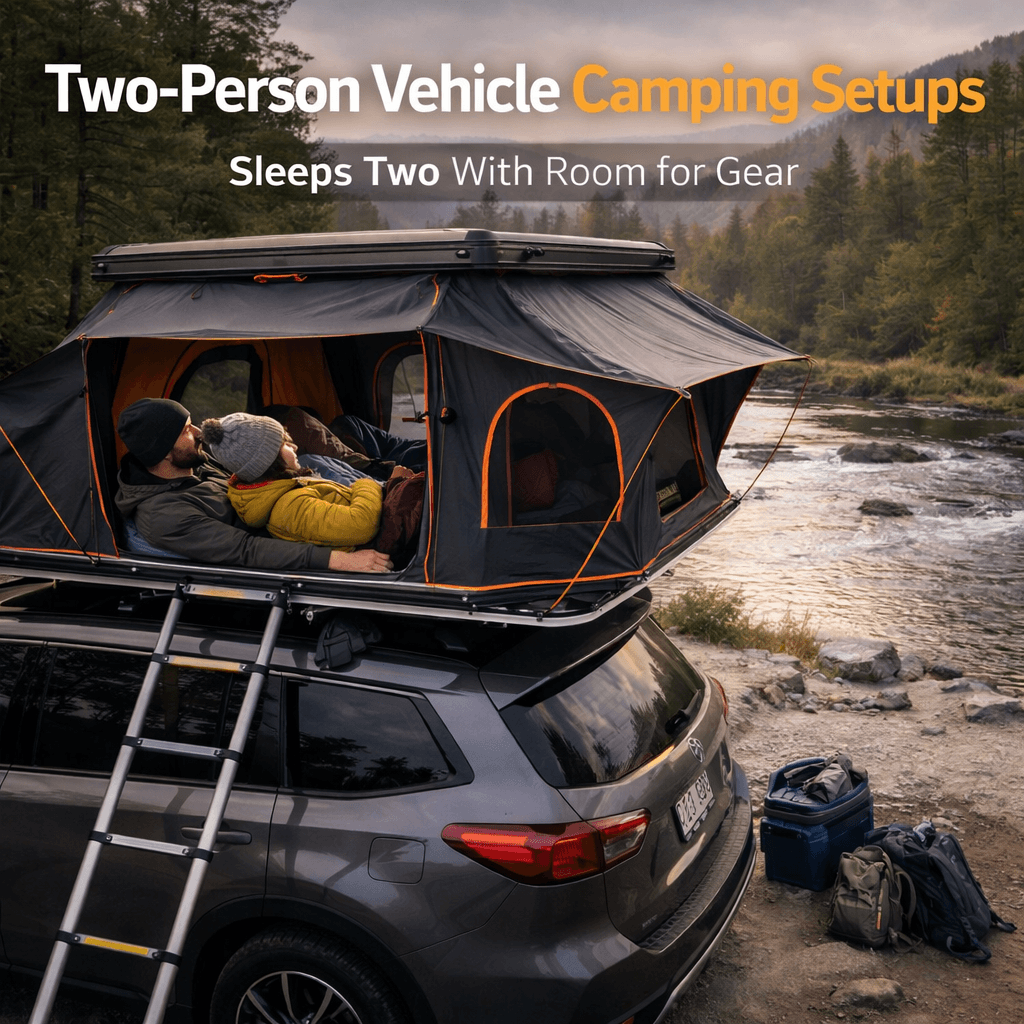
Two-Person Vehicle Camping Setups
For couples or two travelers, interior sleeping space and mattress dimensions typically become the primary factors when selecting a rooftop tent configuration.
A 2–3 person JOYINRUTE rooftop tent generally provides sufficient width for two occupants while still allowing space for small gear items or clothing inside the sleeping area. The included condensation mat beneath the mattress is designed to assist with moisture management during overnight use.
Recommended option based on this scenario:
JOYINRUTE Rooftop Tent Hard Shell (2–3 Person Sleeping Capacity)

Small Group or Family Vehicle Trips
When a rooftop tent is occasionally used by three occupants or for family travel, vehicle roof load capacity and mounting compatibility should be considered.
The JOYINRUTE rooftop tent is designed for mounting on standard crossbar systems typically used on SUVs, trucks, vans, and off-road vehicles. Before installation, it is generally advisable to confirm the vehicle’s static and dynamic roof load ratings.
Recommended option based on this scenario:
JOYINRUTE Rooftop Tent Hard Shell — Universal Crossbar Mount Configuration
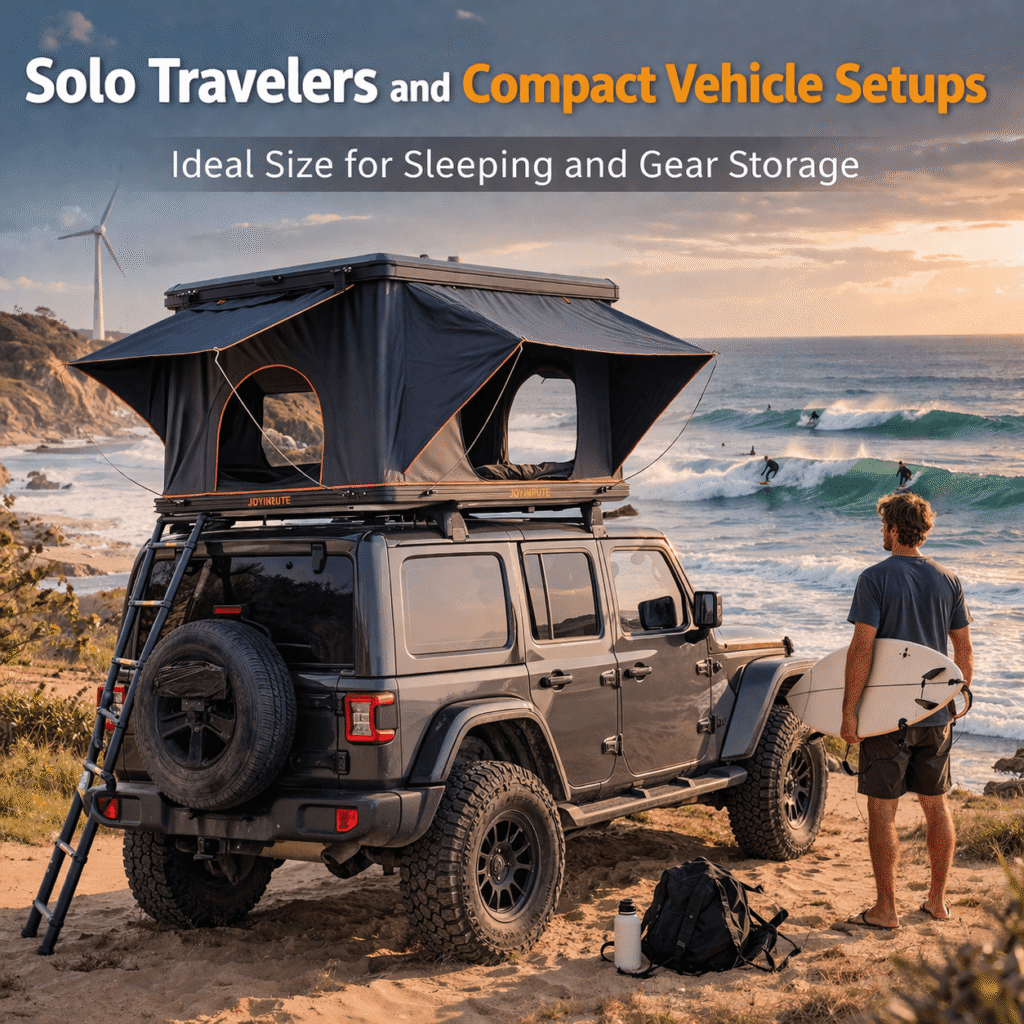
Solo Travelers and Compact Vehicle Setups
Solo travelers using smaller SUVs or crossovers may prioritize a rooftop tent that maintains a relatively compact driving profile while still offering enough interior space for sleeping and gear storage.
Because the JOYINRUTE rooftop tent is designed for 2–3 occupants, single travelers often use the additional interior space for storing backpacks, clothing, or small camping equipment inside the tent during overnight stays.
Recommended option based on this scenario:
JOYINRUTE Rooftop Tent Hard Shell — Compact Solo Travel Setup
Additional information available on Amazon may include:
• Updated specifications and accessory lists
• Shipping availability and delivery timelines
• Verified customer reviews and usage feedback
User Experiences with the JOYINRUTE Rooftop Tent
When researching a JOYINRUTE rooftop tent review, real usage feedback can help clarify how the tent performs in everyday travel scenarios. The experiences below reflect how different travelers have used the JOYINRUTE rooftop tent hard shell during road trips, overlanding routes, and weekend camping trips. These observations focus on setup workflow, sleeping configuration, and general vehicle-based camping use.
“I’ve been using the JOYINRUTE hard shell rooftop tent during several multi-day road trips across the western states. The aluminum shell and hydraulic opening system make setup fairly straightforward when arriving at a campsite late in the evening. The sleeping space has been adequate for two adults, and the ventilation windows help maintain airflow overnight. From a practical standpoint, the tent integrates well with vehicle-based travel where quick setup and pack-down are helpful.”
Use Case:
Vehicle-based camping during multi-day road trips through national parks and remote trail areas.

Daniel R.
Overland Traveler
“I installed the JOYINRUTE rooftop tent on my SUV primarily for short camping trips outside the city. The pop-up mechanism typically opens in under a minute, which reduces the time needed to prepare the sleeping area after arriving at a campsite. The included ladder and mattress make it possible to start using the tent immediately without additional gear. For occasional weekend travel, the overall setup process has been fairly manageable.”
Use Case:
Weekend camping trips to state parks and nearby nature areas.
Michael S.
Weekend Camper
”I often travel between national parks and prefer sleeping setups that don’t require searching for traditional campsites. The JOYINRUTE rooftop tent allows me to park and prepare a sleeping space relatively quickly. The window layout provides visibility and airflow during overnight stays, which has been useful in warmer climates. From my experience, it works well for mobile travel situations where flexibility is important.”
Use Case:
Road trips with overnight stays near national park trailheads.
Jessica L.
National Park Traveler
“I mounted the JOYINRUTE hard shell tent on my pickup truck for off-road travel. The aluminum shell structure feels solid during highway driving and while parked on uneven terrain. The tent fabric and outer shell appear designed to handle changing weather conditions during multi-day trips. For overlanding routes where campsites change frequently, the quick setup has been a practical feature.”
Use Case:
Off-road travel and remote campsite stops during overlanding trips.
Andrew T.
Overlanding Hobbyist
“I purchased the JOYINRUTE rooftop tent for extended road trips along the coast. Having a sleeping space on the vehicle simplifies planning because I don’t need to reserve accommodation in advance. The ladder and sleeping platform are straightforward to access, and the internal space has worked well for overnight stops. It’s particularly useful when stopping at scenic areas for a single night.”
Use Case:
Coastal road trips with overnight stops at scenic viewpoints or beach areas.
Kevin B.
Coastal Road Trip Traveler
“Our family occasionally takes road trips where we combine hiking and camping. The JOYINRUTE rooftop tent provides a compact sleeping setup that stays mounted on the vehicle between trips. Opening the tent at the campsite generally takes minimal time, which helps when traveling with children. For short family camping trips, it has been a convenient alternative to traditional ground tents.”
Use Case:
Short family camping trips combined with hiking or outdoor recreation.
Sarah M.
Outdoor Family Traveler
User experiences presented above reflect individual usage contexts and travel scenarios. They are shared for informational purposes to illustrate how the JOYINRUTE rooftop tent may be used in different vehicle-based camping situations. Individual experiences, installation conditions, and environmental factors may vary. Product specifications, features, and availability should always be verified directly on the manufacturer listing or the Amazon product page before purchase.
Engineering Logic Behind Hard-Shell Rooftop Tent Design
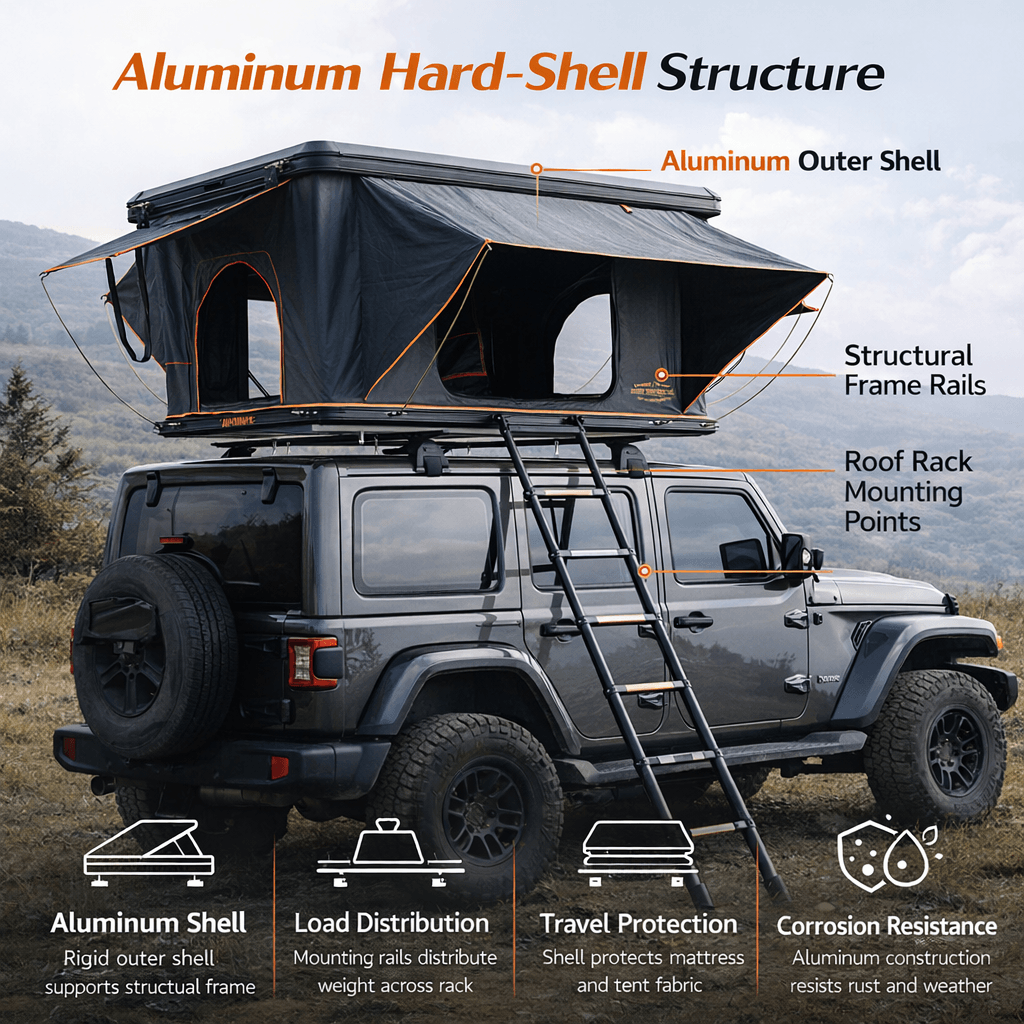
Aluminum Hard-Shell Structure
Hard-shell rooftop tents use a rigid outer shell that acts both as a travel cover and as the structural frame of the sleeping system.
Aluminum is commonly used in this type of design because it provides a balance between weight, rigidity, and corrosion resistance. During vehicle travel, the shell protects internal components such as the mattress, canopy fabric, and ladder from rain, sun exposure, and road debris.
In the JOYINRUTE hard shell rooftop tent, aluminum panels and frame components help distribute load across roof rack mounting points and maintain structural stability when the tent is deployed.
Hydraulic Rod Opening Mechanism
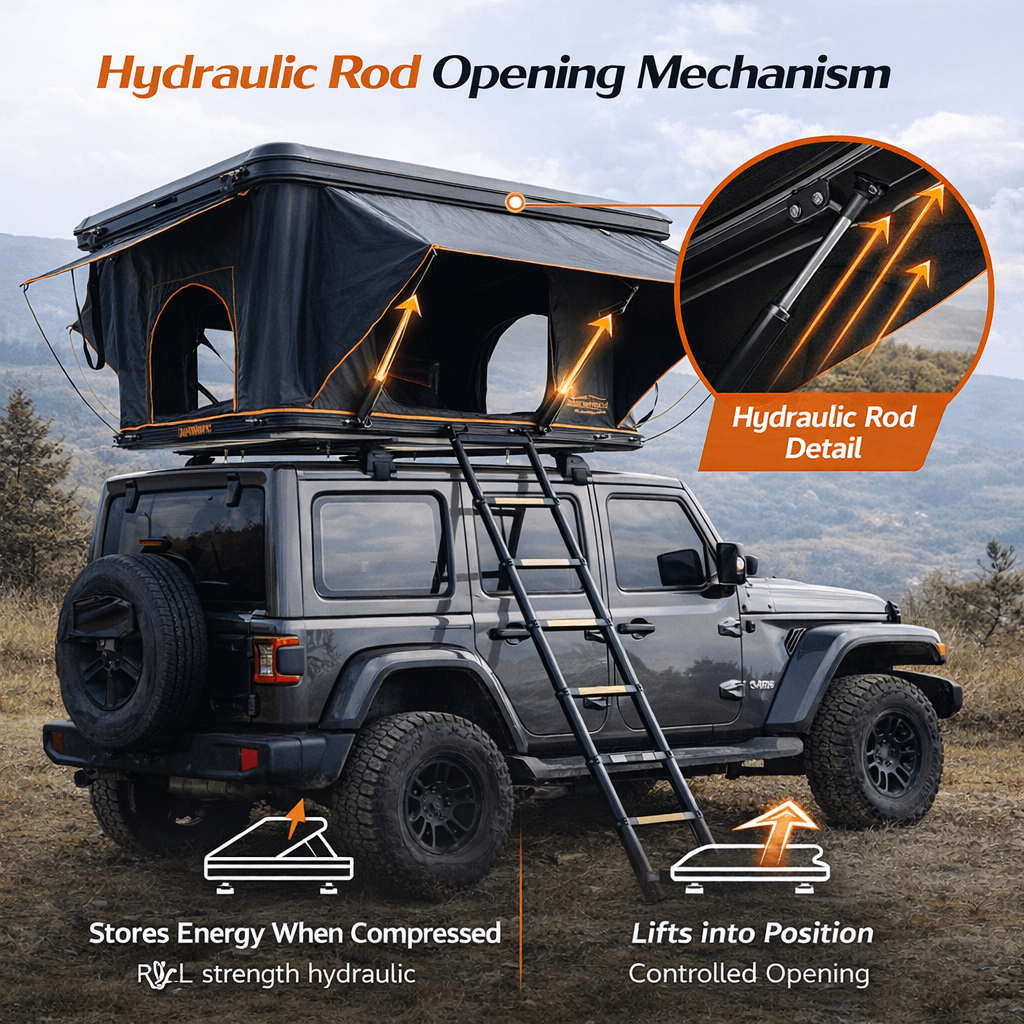
Hard-shell rooftop tents often use gas-strut or hydraulic rod systems to assist with opening the tent.
These rods store energy when compressed. Once the shell latches are released, the rods expand and lift the upper shell into position. This mechanism reduces manual lifting effort and helps keep the opening motion controlled.
The JOYINRUTE rooftop tent uses four hydraulic support rods designed to assist with opening and closing the tent within a short setup time under normal conditions.
In practice, this system simplifies campsite setup and helps maintain stability once the tent is fully opened.
Ventilation and Condensation Management
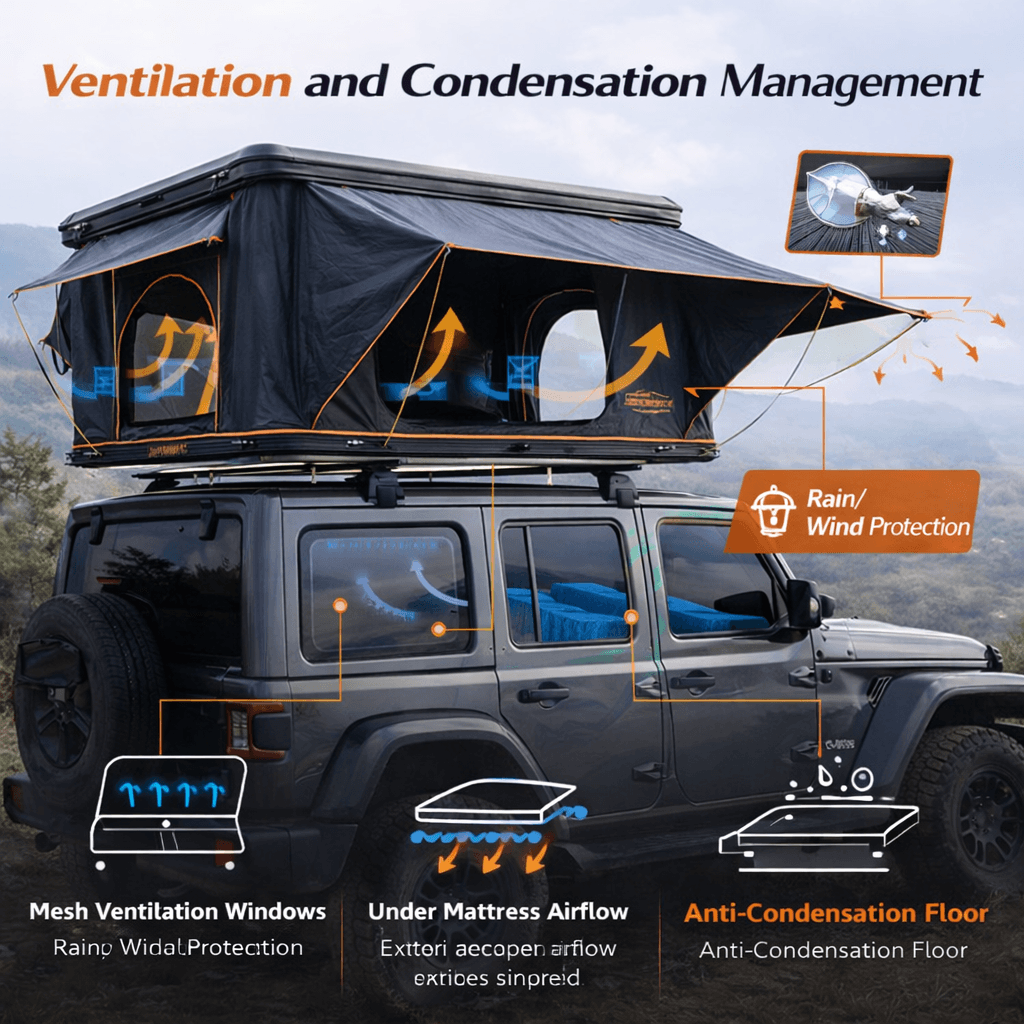
Condensation can occur inside enclosed sleeping spaces when warm interior air meets cooler exterior surfaces.
To reduce moisture buildup, rooftop tents typically combine several ventilation features:
• mesh window panels for airflow
• exterior flaps that limit wind and rain entry
• airflow beneath the mattress
• anti-condensation layers in the floor
The JOYINRUTE aluminum rooftop tent includes mesh ventilation windows and a flocked anti-condensation floor lining intended to help manage interior moisture during overnight use.
These features support airflow but may not completely eliminate condensation in all climates.
Fabric Weather Protection
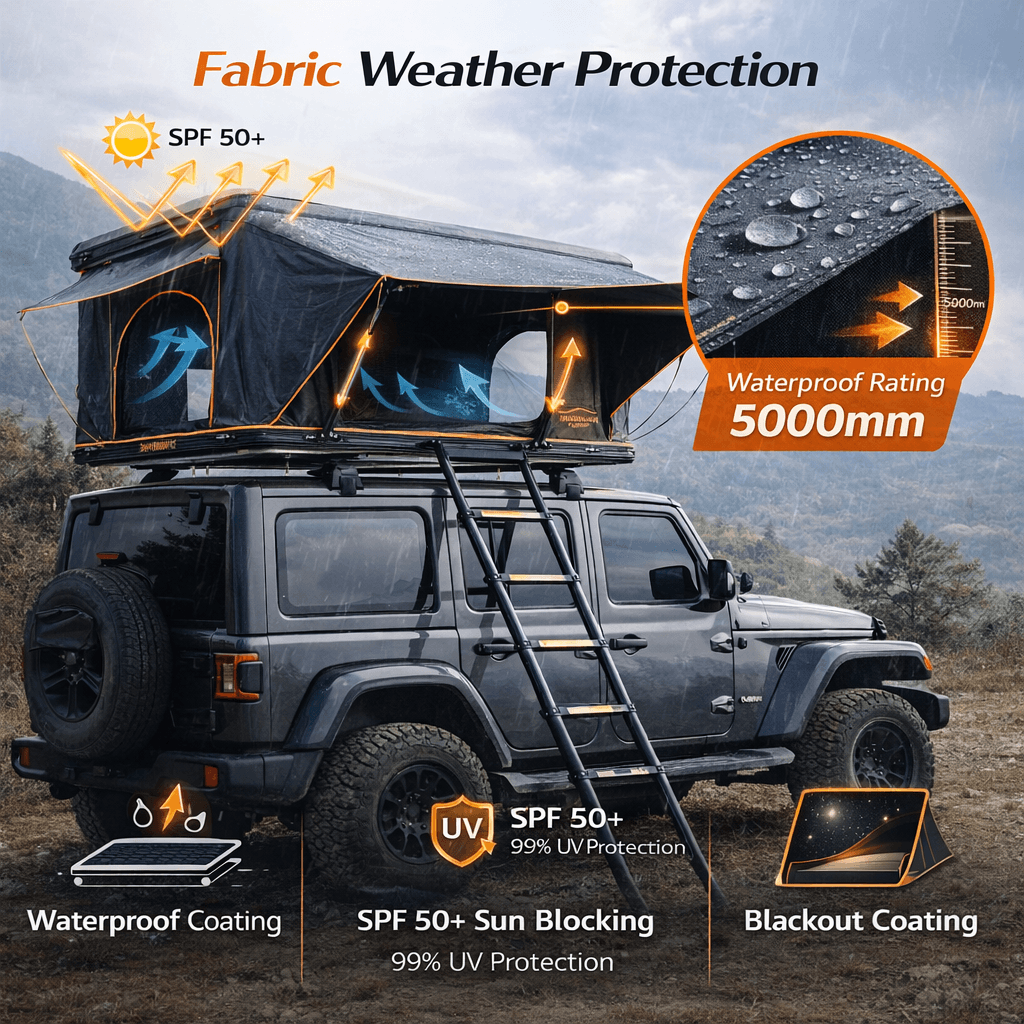
Rooftop tents are designed to remain exposed to sun, wind, and rain while deployed. For this reason, canopy fabrics usually include protective coatings.
Coated polyester fabrics are widely used because they maintain shape stability across varying humidity and temperature conditions.
According to product specifications, the tent canopy used in the JOYINRUTE rooftop tent includes a waterproof rating of approximately 5000 mm and UV protection through blackout coating.
Waterproof ratings indicate the water pressure a fabric can withstand under test conditions. Real-world performance may vary depending on wind direction, seam construction, and long-term wear.
Frequently Asked Questions About the JOYINRUTE Rooftop Tent
Below are answers to common questions about the JOYINRUTE rooftop tent hard shell, including setup, vehicle compatibility, weather protection, and typical installation considerations. This section addresses practical details that users often review when researching a JOYINRUTE rooftop tent for vehicle-based camping.
What is the JOYINRUTE rooftop tent designed for?
The JOYINRUTE rooftop tent is designed for vehicle-based camping setups where the sleeping structure mounts directly to roof racks or crossbars. This configuration allows campers to create an elevated sleeping area above the vehicle rather than using a ground tent. It is commonly used for road trips, overlanding routes, and campsite travel where quick setup and compact storage are useful.
How many people can sleep in the JOYINRUTE rooftop tent?
The JOYINRUTE rooftop tent hard shell is typically configured for two adults, with interior space that may accommodate up to three occupants depending on sleeping arrangement and gear storage. In most camping scenarios, two adults represent the most practical use. Interior mattress dimensions and vehicle roof load limits may also influence the final sleeping capacity.
How long does it take to set up the JOYINRUTE rooftop tent?
The JOYINRUTE rooftop tent setup process uses hydraulic support rods that assist with lifting the aluminum shell. In typical use, the tent can be opened in roughly 30 seconds to about one minute. Closing the tent follows a similar process once bedding and interior items are arranged.
Is the JOYINRUTE rooftop tent suitable for winter or cold weather camping?
The JOYINRUTE rooftop tent includes a removable thermal liner and insulated interior elements intended to support colder weather use. Combined with the enclosed hard shell and layered fabric construction, this configuration can help manage interior temperature during cooler conditions. Actual comfort levels depend on external temperatures and sleeping gear.
How waterproof is the JOYINRUTE rooftop tent fabric?
According to product specifications, the JOYINRUTE rooftop tent fabric has a waterproof rating of approximately 5000 mm hydrostatic head. This rating is commonly associated with weather-resistant outdoor camping materials and is intended to help manage rainfall exposure during typical camping conditions. Proper setup and ventilation may also influence performance during extended rain.
What vehicles are compatible with the JOYINRUTE rooftop tent?
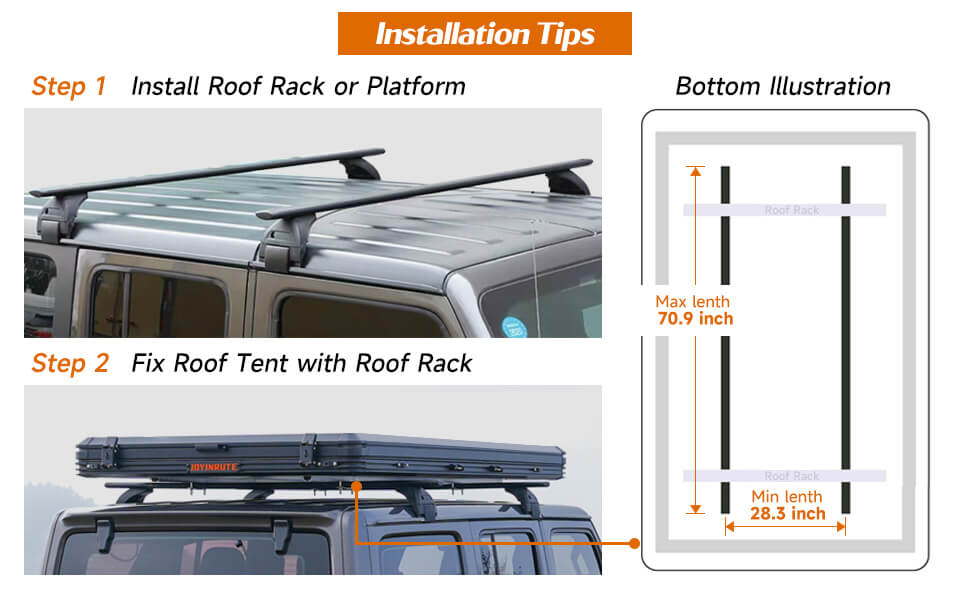
The JOYINRUTE rooftop tent is designed for vehicles equipped with roof racks or crossbars capable of supporting rooftop equipment. Compatibility commonly includes SUVs, trucks, vans, and some larger crossovers. Before installation, users generally confirm vehicle roof load ratings and crossbar spacing to ensure safe mounting.
How much weight can the JOYINRUTE rooftop tent support?
The JOYINRUTE rooftop tent weight capacity depends on the vehicle roof rack system and the difference between dynamic load ratings (while driving) and static load ratings (while parked). Static capacity is typically higher because the ladder distributes weight toward the ground. Vehicle manufacturer specifications should always be verified before use.
Does the JOYINRUTE rooftop tent provide ventilation during overnight use?
The JOYINRUTE rooftop tent ventilation system includes multiple windows with mesh panels and outer protective flaps. These components allow airflow while helping limit direct wind and insects entering the interior space. Adjustable openings can be used to manage airflow and temperature during overnight camping.
Does condensation occur inside the JOYINRUTE rooftop tent?
Condensation can occur in most enclosed sleeping environments when temperature differences exist between interior air and outside conditions. The JOYINRUTE rooftop tent includes ventilation openings and a condensation-management layer beneath the mattress area designed to help reduce moisture buildup. Maintaining airflow through the windows can also help manage condensation.
What accessories are included with the JOYINRUTE rooftop tent?
Product listings for the JOYINRUTE rooftop tent hard shell commonly include several accessories: a telescoping ladder, mattress, condensation pad, storage bags, LED interior lighting strip, and shoe storage pockets. The exact accessory package may vary slightly depending on the specific product listing. Amazon product pages generally provide the most current package details.
How is the JOYINRUTE rooftop tent mounted to a vehicle?
Installation of the JOYINRUTE rooftop tent typically involves attaching the base frame to roof rack crossbars using mounting brackets or T-slot hardware. Once installed, the tent remains secured to the vehicle during travel and can be opened when parked at a campsite. Installation time may vary depending on the vehicle height and roof rack configuration.
About the JOYINRUTE Brand
JOYINRUTE is a brand associated with hard shell rooftop tent systems designed for vehicle-based camping setups. The product line focuses on rooftop sleeping solutions that mount to roof rack crossbars on SUVs, trucks, vans, and other outdoor-ready vehicles. A JOYINRUTE rooftop tent is typically intended for travelers who use their vehicle as a base for overnight outdoor stays during road trips, car camping, or overlanding routes.
From a product design perspective, JOYINRUTE rooftop tent hard shell models emphasize aluminum shell construction, weather-resistant tent fabric, and mechanical opening systems such as hydraulic support rods. These elements are generally intended to support faster setup compared with traditional ground tents while maintaining structural protection from weather exposure. Supporting components such as ladders, mattresses, ventilation panels, interior lighting, and condensation management layers are commonly included as part of the rooftop tent configuration.
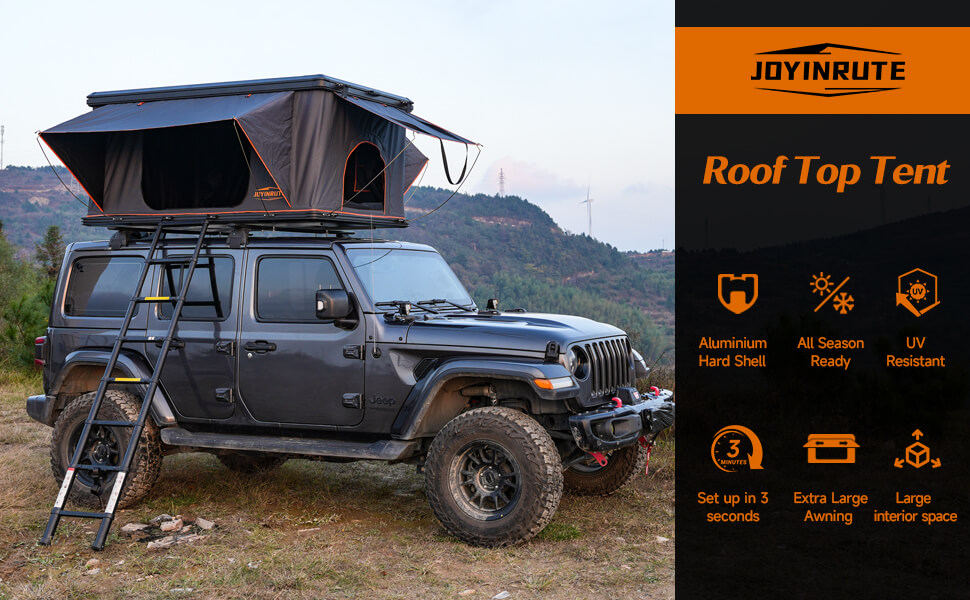
In real-world use, a JOYINRUTE rooftop tent functions as an elevated sleeping platform mounted directly to a vehicle roof rack system. This configuration allows users to deploy a compact sleeping space during vehicle-based travel while maintaining mobility between campsites. Rooftop tents of this type are commonly used during road trips, remote camping trips, and outdoor travel situations where quick setup and elevated sleeping arrangements may be practical.